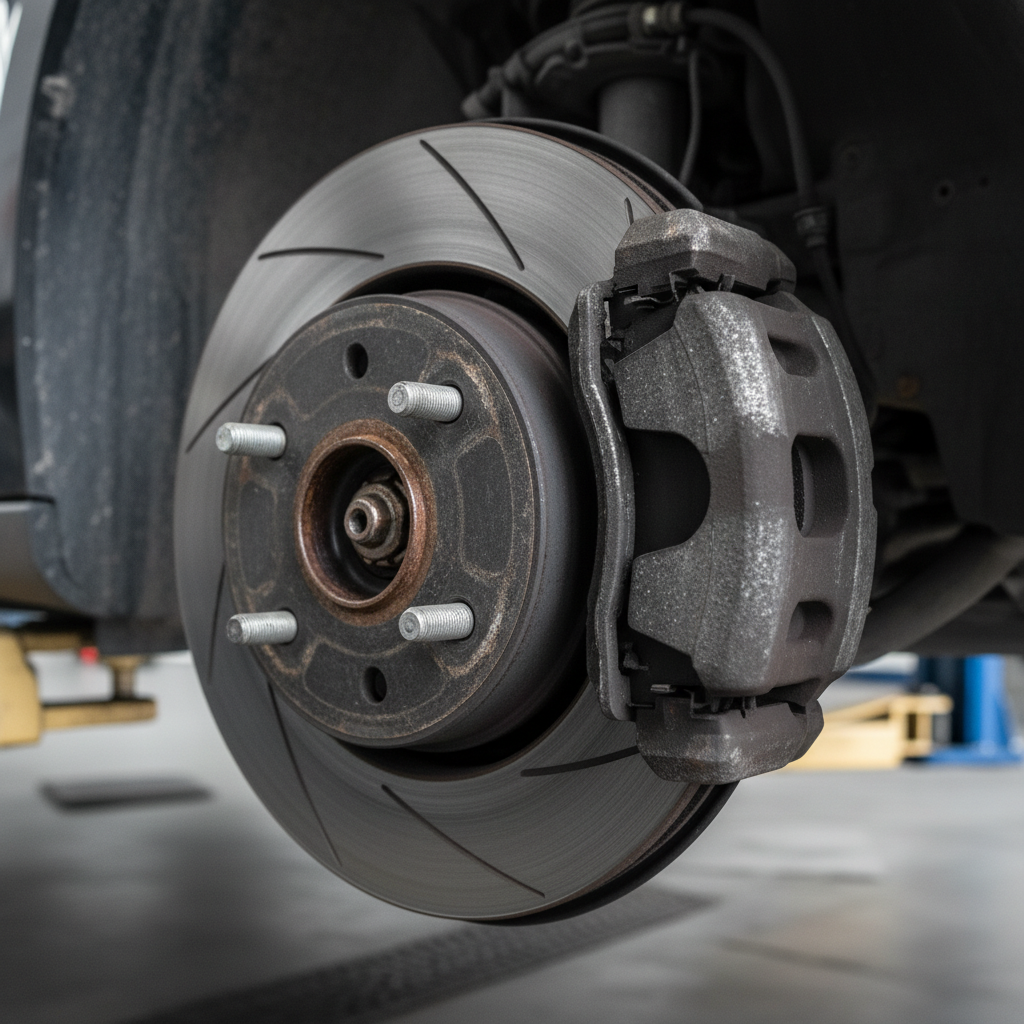
Brake inspections should produce specific numbers, not vague summaries. Learn what measurements are taken and what they mean for your safety and your budget.
Read ArticleA proper inspection is not a quick glance under the hood. It is a systematic evaluation of your vehicle's major systems, documented with measurements and photos. These articles explain what to expect and what to demand.
Brake inspections should produce specific numbers, not vague summaries. Learn what measurements are taken and what they mean for your safety and your budget.
Read Article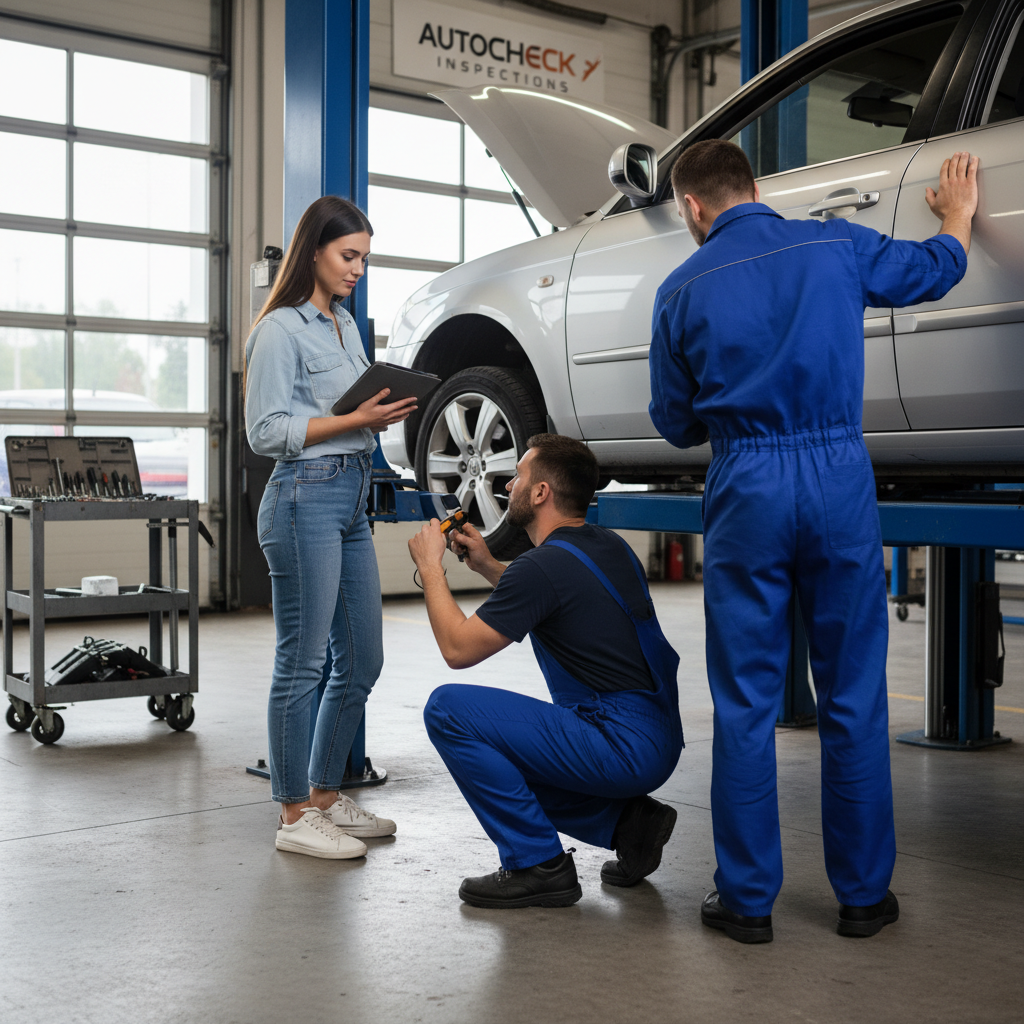
Before you buy any used vehicle, an independent inspection can reveal hidden problems that test drives and vehicle history reports miss entirely.
Read Article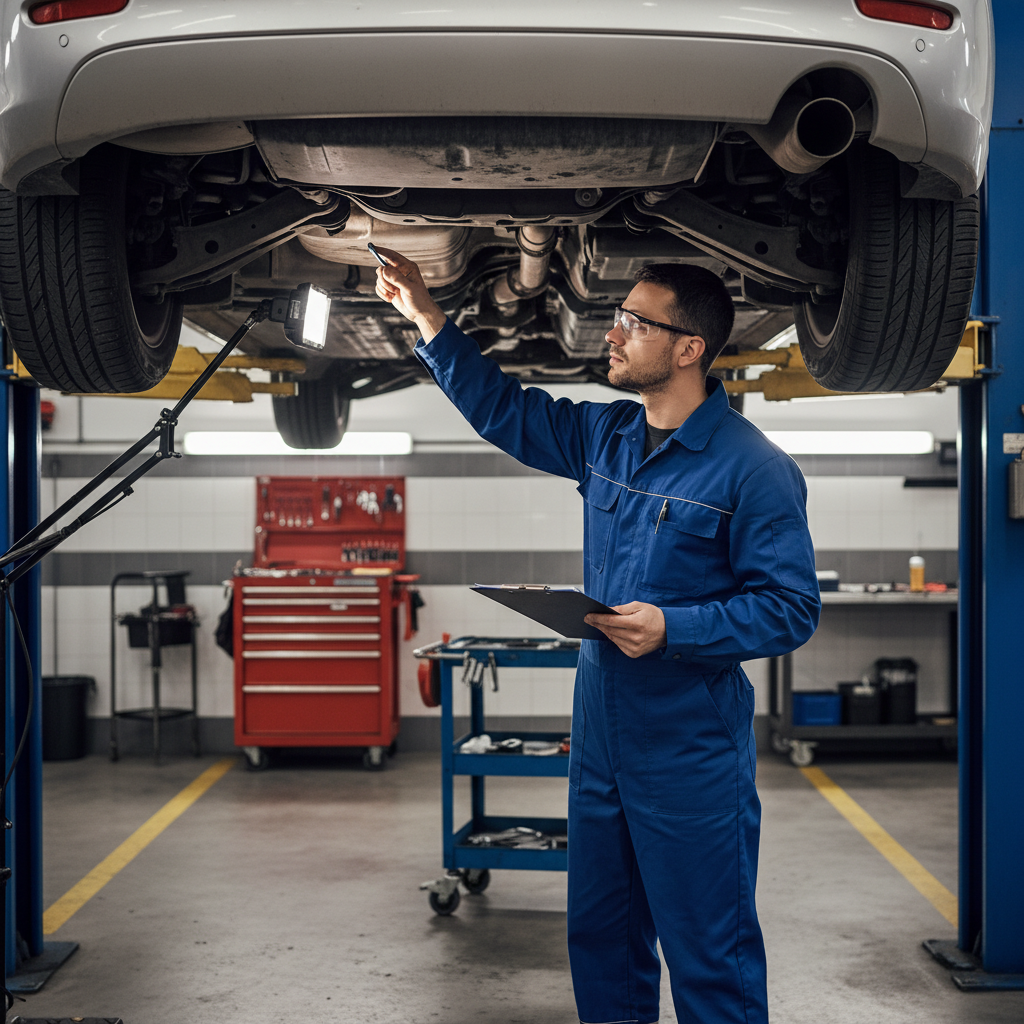
Inspection results often include a mix of urgent and non-urgent items. Understanding how to prioritize them helps you plan repairs without overspending.
Read ArticleMost drivers only think about inspections when they are buying a used car or when their state requires an annual safety check. But inspections should be a regular part of vehicle ownership because they are the most reliable way to catch problems before they become expensive failures or safety hazards.
A quality inspection goes well beyond a visual scan. It includes measuring brake pad thickness in millimeters, checking tire tread depth at multiple points, evaluating suspension components for play and wear, testing fluid conditions, and inspecting belts and hoses for deterioration. The results should be documented clearly, ideally with photos so you can see exactly what the technician found.
The articles in this section explain the different types of inspections, what each one should include, and how to read the results. Whether you are evaluating a used car purchase, responding to a concern from your last service visit, or simply making sure your vehicle is ready for the season ahead, this information will help you understand what your shop is telling you and whether their findings are reasonable.
A well-documented inspection is also your best protection against unnecessary repairs. When findings are recorded with measurements and photos, you can track changes over time and make informed decisions about when to act. A brake pad at 5mm does not need replacement today, but you know it will need attention in the next few months. That kind of planning saves money and reduces stress.
The difference between a minimal inspection and a thorough one is not time alone. It is methodology. A great inspection follows a structured checklist so that nothing is overlooked. It uses measurement tools rather than visual estimation. It documents findings with photos so you can see what the technician saw. And it categorizes every item by urgency so you know what needs attention now, what can wait, and what is in good shape.
Shops that invest in digital inspection tools can deliver all of this directly to your phone. You get a detailed report with photos, measurements, and condition ratings before anyone asks you to approve a single dollar of work. That level of transparency turns the inspection from a mystery into a conversation. You can see the evidence, ask informed questions, and make decisions based on facts rather than faith. That is the standard every driver should expect and every professional shop should deliver.