
Tire quotes vary wildly between shops. Learn how to break down each line item so you are comparing apples to apples and making the best decision for your budget.
Read GuideThese guides are designed to be used, not just read. Pull them up on your phone at the tire shop, reference them when reviewing an estimate, or use them to prepare questions before your next service appointment.
Tire quotes vary wildly between shops. Learn how to break down each line item so you are comparing apples to apples and making the best decision for your budget.
Read Guide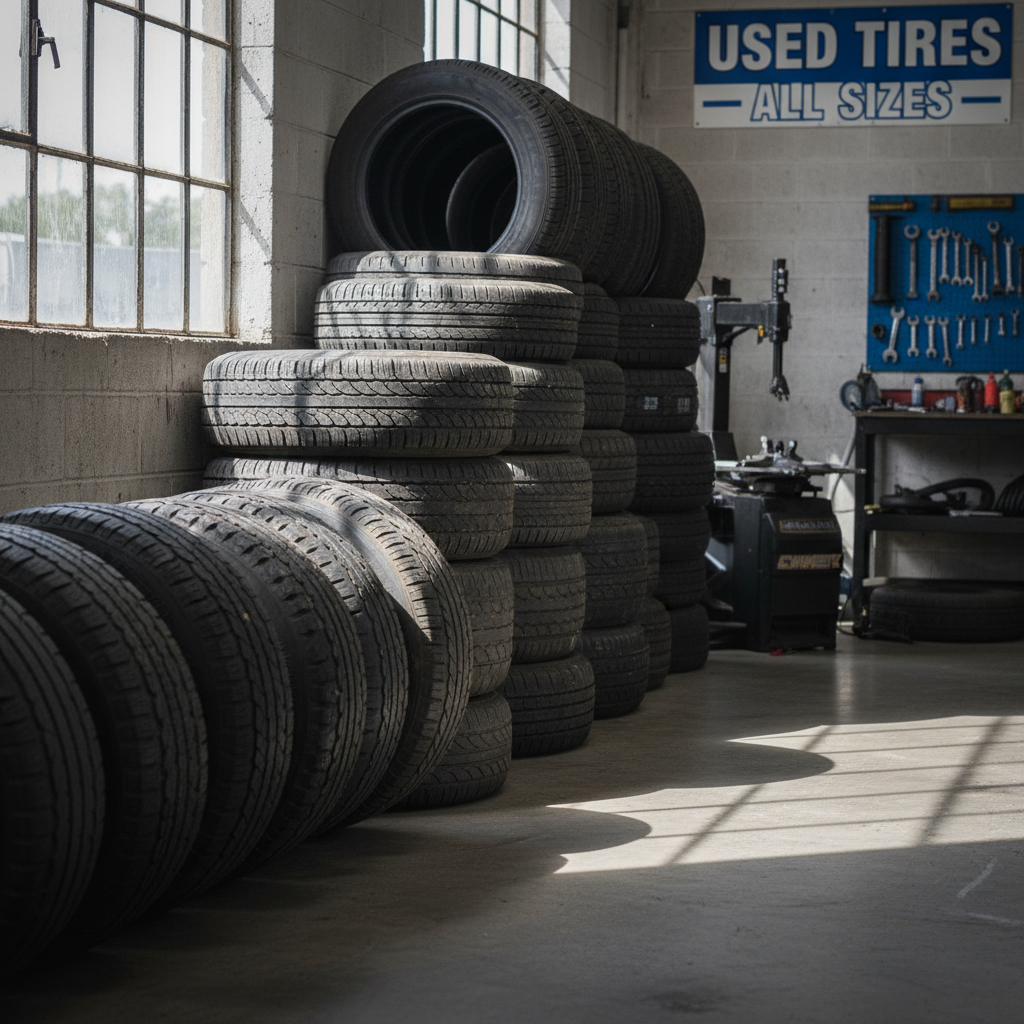
Used tires can save money, but only if they are safe. This guide gives you the specific questions to ask and the red flags to watch for before you buy.
Read Guide
Before you say yes to any repair, there are things the shop should tell you first. This guide lists what to expect and what to ask if they do not volunteer it.
Read GuideMost automotive information is written for someone sitting at a computer with time to read. These guides are different. They are structured for the moment you are actually making a decision: standing in a tire shop comparing two quotes, looking at a set of used tires at a roadside stand, or reviewing a repair estimate on your phone while a service advisor waits for your answer.
Each guide follows a consistent format. It starts with the context you need, walks through the specific things to check or ask, and ends with clear guidance on what the answers mean. There are no filler sections and no theory for its own sake. Everything in these guides exists to help you make a better decision in a specific situation.
If you find these guides useful, explore the deeper articles in our Tires, Car Problems, and Shop Standards sections for the background knowledge that makes these checklists even more valuable. Understanding why a tire date code matters, for example, makes the "ask about the date code" step in the used tire guide far more meaningful.
The articles elsewhere on this site explain concepts and provide background knowledge. These guides translate that knowledge into action steps. The tire quotes guide does not explain the science of rubber compounds. It tells you which line items to compare and which questions to ask. The used tire guide does not go deep into the history of tire regulation. It gives you a checklist of specific things to inspect and reject. The shop communication guide does not explore the psychology of the repair industry. It lists the exact pieces of information you should receive before approving any work.
This action-oriented approach means you can use these guides with zero prior automotive knowledge. But they become even more powerful when combined with the educational articles in our other sections. A driver who understands tire wear patterns and then uses the tire quote comparison guide will ask better questions and make sharper evaluations than someone using the guide alone. The guides are the starting point. The deeper articles are the upgrade. Together, they give you the tools to navigate every common vehicle maintenance decision with confidence.