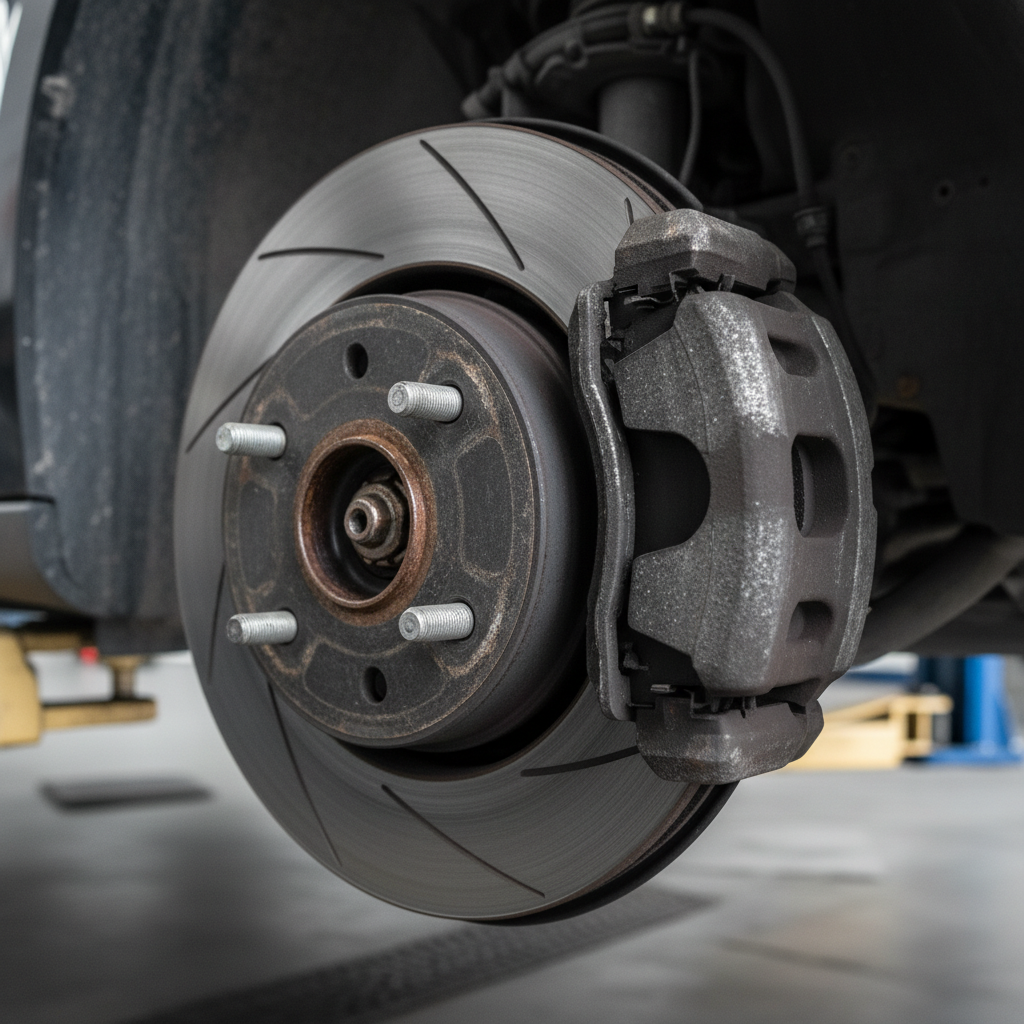
How Visual Evidence and Specific Numbers Transform the Repair Experience
Imagine two phone calls from two different repair shops. The first says: "Your brakes are getting pretty worn. We recommend replacing them." The second says: "Your front brake pads are at 3mm. I am sending you a photo of the pad next to a measurement gauge so you can see the remaining material. At your current wear rate, you have roughly 30 to 60 days before they reach the point where rotor damage is likely. The replacement cost is $380 for both front axle pads and a rotor resurface."
Both shops found the same condition. Both are making the same recommendation. But the second shop gave you something the first did not: evidence you can evaluate, numbers you can understand, and enough information to make an informed decision. That difference is not a minor detail. It is the foundation of a professional service experience.
Why Verbal Summaries Fall Short
Verbal descriptions of vehicle condition are inherently vague and impossible to verify. "Getting worn" could mean 5mm or 2mm. "Starting to crack" could mean hairline surface checking or deep structural fractures. "Needs attention soon" could mean next month or today. Without specific numbers, every description is open to interpretation, and the customer has no way to calibrate the urgency.
This vagueness creates problems in both directions. Some customers hear "getting worn" and panic, approving immediate replacement when the component has months of safe life remaining. Other customers hear the same phrase and shrug it off, assuming it can wait indefinitely, when in reality the condition requires near-term action. In both cases, the customer is making a decision based on their emotional interpretation of a vague description rather than on objective data.
Measurements eliminate this ambiguity. When a shop reports that your brake pads are at 3mm, you can compare that number to known thresholds. You can reference a resource like our brake inspection guide and understand exactly where your brakes stand in their wear cycle. The number has meaning independent of the technician's tone of voice or choice of words.
The Power of a Photo
A photo of a vehicle component does something that no verbal description can achieve: it lets you see what the technician sees. Most customers have never seen the underside of their vehicle. They have never looked at a brake pad up close or examined a tire sidewall at eye level. When the only information they receive is a spoken summary, they are forming a mental image based on their imagination, which may be wildly inaccurate.
A photo collapses that gap instantly. A worn brake pad photographed next to a measurement gauge shows you the thin sliver of friction material remaining. A tire sidewall with visible cracking shows you the pattern and severity of deterioration. A leaking caliper with brake fluid dripping down the rotor surface shows you the evidence of a problem that would otherwise be just words on a phone call.
Photos also establish credibility. A shop that photographs their findings is inviting scrutiny. They are saying, "Here is exactly what we found. Look at it yourself." A shop that relies on verbal descriptions alone is asking you to take their word for it. The difference in trust dynamics is substantial.
What Should Be Measured
Not every component can be measured with a number, but many of the most important ones can:
Brake pad thickness should be measured in millimeters at each wheel position. Most shops use a brake pad gauge or caliper for this measurement. The reading should be specific: "4mm" rather than "getting low."
Tire tread depth should be measured in 32nds of an inch at multiple points across each tire. Measuring at the inner edge, center, and outer edge reveals wear patterns that affect safety and indicate alignment issues. A single average measurement can hide dangerous conditions, like a tire with 7/32 on the outside and 2/32 on the inside.
Rotor thickness should be measured with a micrometer and compared to the manufacturer's minimum specification. This determines whether the rotor can be resurfaced or must be replaced.
Battery voltage and cranking performance should be tested with a battery tester that provides numerical results for voltage, cold cranking amps, and overall health rating.
Brake fluid moisture content can be measured with an electronic tester that reports the estimated boiling point. This is more meaningful than a visual assessment of fluid color, which can be misleading.
Belt wear can be assessed with a belt gauge that measures rib depth on serpentine belts. This provides an objective assessment rather than a visual guess about surface cracking.
What Should Be Photographed
Photos are most valuable for conditions that are visual in nature and difficult to describe with numbers alone:
Fluid leaks. A photo of oil dripping from a valve cover gasket or coolant pooling around a hose connection shows the location and severity of a leak far more effectively than a written note.
Rust and corrosion. The extent of undercarriage rust, brake line corrosion, or structural deterioration is best communicated visually. What counts as "some rust" to one person might be alarming to another. A photo lets the customer see for themselves.
Damage and wear. Torn CV boots, cracked hoses, chipped windshields, worn wiper blades, and damaged suspension components all photograph clearly and leave no ambiguity about the condition.
Component comparisons. A photo showing a new part next to the worn part it will replace provides immediate visual context for the condition difference. Side-by-side comparisons are one of the most effective ways to communicate wear.
General vehicle condition. Photos of the overall undercarriage, engine bay, and tire surfaces provide a baseline record that can be compared against future inspections to track changes.
How Photos and Measurements Change Customer Behavior
Research and real-world experience from shops that have adopted digital inspection tools consistently show several changes in customer behavior when photos and measurements are provided:
Higher approval rates for necessary work. When customers can see the evidence supporting a recommendation, they are more likely to approve the repair. This is not because they are being manipulated. It is because they have enough information to feel confident in their decision. Shops using digital inspections with photos typically report approval rates 20 to 40 percent higher than those using verbal-only communication.
Better planning for deferred items. When a customer declines a repair but has the photo and measurement in their records, they are more likely to follow up at a future visit. The visual evidence stays with them and serves as a reminder that the condition exists and will need attention eventually.
Fewer disputes and complaints. When findings are documented with evidence, disagreements about what was found or what was communicated are rare. The record is clear, timestamped, and available to both parties.
Increased customer loyalty. Customers who receive transparent, evidence-based service develop stronger trust in their shop. Trust leads to loyalty, and loyalty leads to long-term relationships that benefit both the customer and the business.
What to Expect from Your Shop
If your shop already provides photos and measurements with their inspection reports, you are receiving a standard of service that reflects genuine professionalism. Review those reports carefully. Compare measurements to previous visits. Save them as part of your vehicle's maintenance history.
If your shop does not provide photos and measurements, ask whether they can. Many shops have the capability but have not fully implemented the practice for all customers. Your request may be the prompt they need to start using their tools more consistently.
If visual evidence and specific measurements matter to you, and they should matter to every vehicle owner, make them a factor in choosing your service provider. A shop that shows you the evidence is a shop that is confident in their work and committed to your ability to make informed decisions. That combination is exactly what you should look for in a repair shop.