
Shaking at highway speed, brake noise, suspension wear, and check engine lights. Learn what these symptoms mean, what causes them, and when you need to act quickly versus when you can plan your repair.
Explore Car ProblemsMost drivers do not know what happens behind the bay doors. The Informed Driver breaks down inspection processes, common car problems, tire safety, and shop practices so you can make informed decisions about your vehicle.
Shaking at highway speed, brake noise, suspension wear, and check engine lights. Learn what these symptoms mean, what causes them, and when you need to act quickly versus when you can plan your repair.
Explore Car Problems
Pre-purchase inspections, brake checks, seasonal evaluations, and understanding what an inspection report should include. Know what to expect before you hand over your keys.
Explore Inspections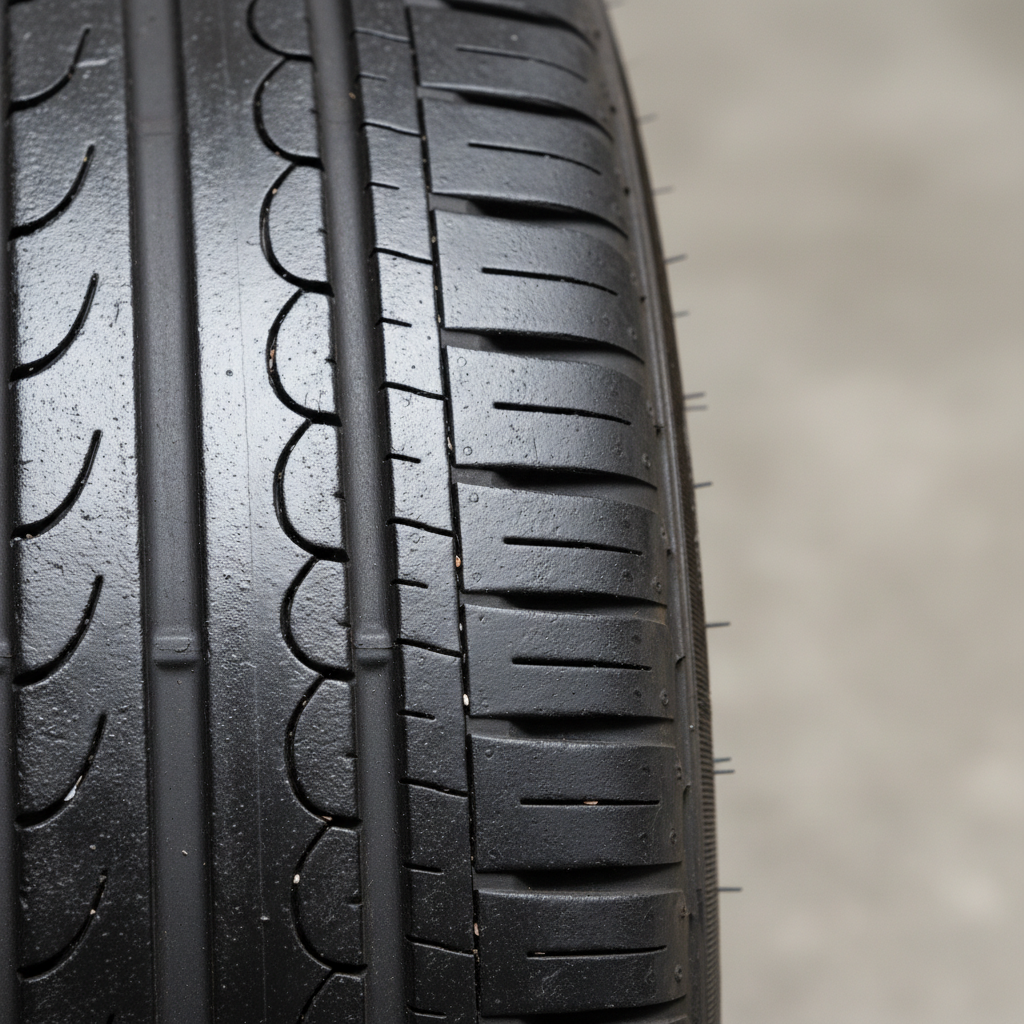
Tire wear patterns, age codes, sidewall damage, alignment problems, and the used tire market. Your tires are the only part of your car that touches the road. Treat them accordingly.
Explore Tires
Digital inspections, documentation practices, repair estimates, and customer communication. Learn the benchmarks that separate professional shops from those cutting corners.
Explore Shop Standards
Step-by-step guides for comparing tire quotes, buying used tires safely, and knowing what a good shop should explain before you approve any work. Practical tools for real decisions.
Explore Guides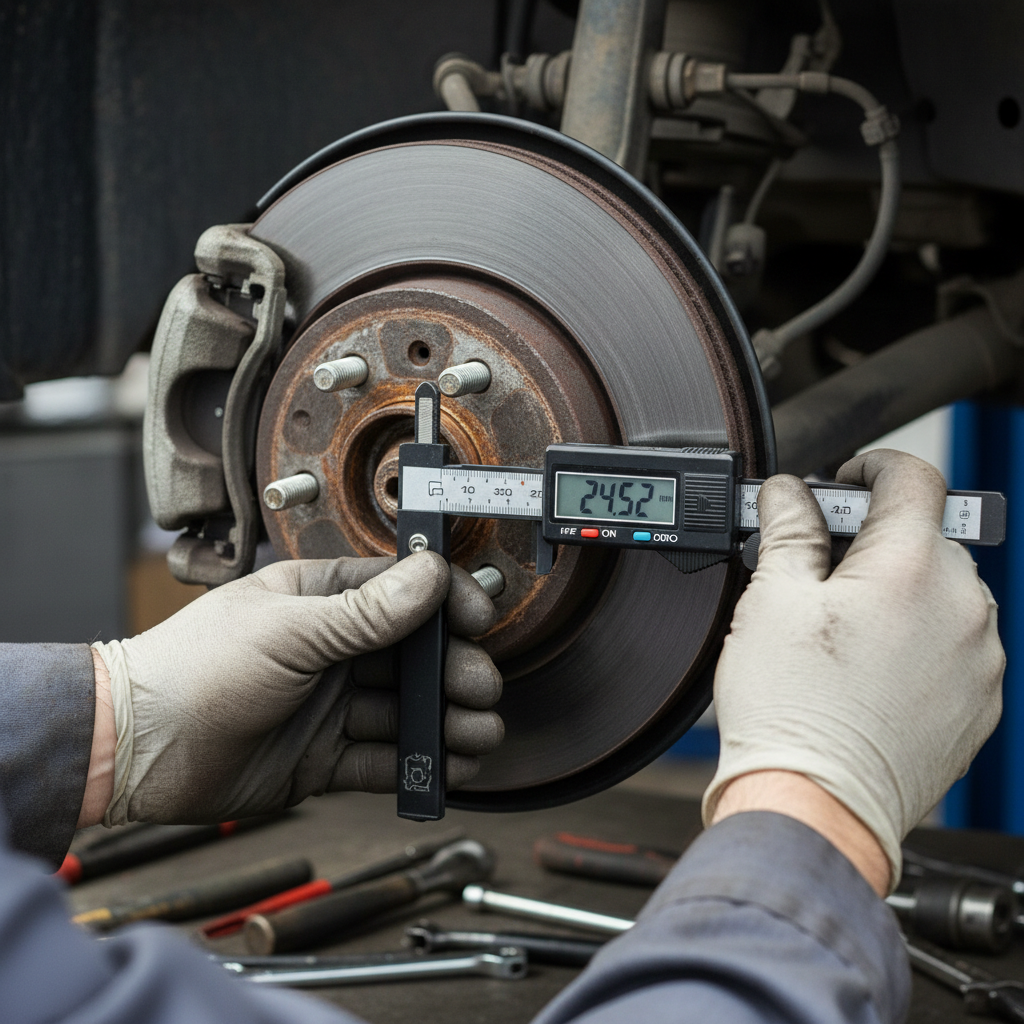
The Informed Driver was built to bridge the knowledge gap between automotive professionals and the drivers who rely on them. Find out what this site is about and who it serves.
Learn MoreEvery year, millions of dollars are wasted on unnecessary repairs. At the same time, critical safety issues go unaddressed because drivers do not understand what they are looking at. A worn brake pad looks like a metal disc to most people. A bulging sidewall looks like a normal tire. A check engine light gets ignored for months because nothing feels wrong while driving.
The gap between what mechanics know and what drivers understand is enormous. That gap leads to distrust, poor decisions, and sometimes dangerous outcomes. A driver who does not know that brake pads should be measured in millimeters will accept a vague "they're getting low" diagnosis without question. A driver who has never heard of a tire date code will buy a set of six-year-old tires from a used tire shop and assume they got a bargain.
The Informed Driver exists to close that gap. Every article on this site is written to give you the specific knowledge you need to evaluate your vehicle's condition, understand repair recommendations, and recognize the signs of a shop that does things the right way.
This site is organized around the topics that matter most to vehicle owners. The Car Problems section covers the symptoms you notice while driving and what they actually indicate. The Inspections section explains what thorough vehicle evaluations look like and what your inspection report should include. The Tires section addresses one of the most overlooked safety components on any vehicle. Shop Standards shows you what professional repair facilities do differently. And the Guides section gives you practical, actionable checklists for common decisions like comparing quotes and evaluating used tires.
This is not a site that tells you to distrust mechanics. The opposite is true. Good shops want educated customers because educated customers understand the value of thorough work. When a shop sends you a digital inspection report with photos and measurements, they are investing in transparency. When a technician takes ten minutes to explain why your alignment is destroying your tires, they are investing in your safety and your trust.
The Informed Driver supports that investment by giving drivers the vocabulary, the context, and the benchmarks they need to recognize quality work when they see it. That benefits everyone: drivers make better decisions, good shops earn the loyalty they deserve, and the entire industry moves toward higher standards.